
A silent crisis is unfolding in Oregon’s forests. A tiny green beetle—barely half an inch long—is poised to change the landscape forever – impacting the Oregon ecological system for hundreds of years. The Emerald Ash Borer (EAB), an invasive insect native to Asia, has arrived in Oregon and is attacking our native Oregon Ash (Fraxinus latifolia). Without swift action, we could lose a vital tree species and the complex ecosystems that depend on it.
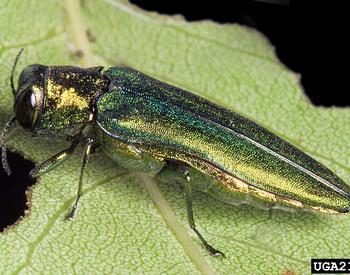
What Is the Emerald Ash Borer?
The Emerald Ash Borer (Agrilus planipennis) is a metallic green beetle that might look harmless at first glance. Introduced accidentally to North America in the early 2000s—likely through infested wood used for shipping cargo—it has since become one of the most destructive forest pests in U.S. history.
The insect targets ash trees exclusively. While adult beetles feed on leaves and do little harm, it’s their larvae that cause devastation. After eggs are laid on the bark, the larvae burrow underneath and feed on the inner tissue of the tree, disrupting the tree’s ability to transport water and nutrients. Within just a few years, even large healthy ash trees can be completely killed.
Why Is It So Harmful?
What makes EAB particularly dangerous is its speed, stealth, and lack of natural enemies here in North America. Infestations often go unnoticed for years—until the damage is irreversible. Once present, EAB can kill more than 99% of ash trees in an area, leaving forests and urban green spaces stripped of an important species.
Since its discovery in Michigan in 2002, EAB has spread to more than 35 states, causing the death of hundreds of millions of ash trees. In 2022, it was detected for the first time in Forest Grove, Oregon —marking a new chapter in this ongoing ecological battle.
Why the Loss of Oregon Ash Trees Matters
The Oregon Ash is more than just another tree. It’s a cornerstone of many riparian (streamside) ecosystems, particularly in the Willamette Valley, the Coast Range, and southwestern Oregon. It is the only ash tree that is native to Oregon.
Ecological Impact:
- Oregon Ash trees help stabilize stream banks, reduce erosion, and provide cooling shade for fish and amphibians.
- Their leaves and branches are food and shelter for a wide range of birds, insects, and small mammals.
- The tree plays a role in filtering water and supporting wetland biodiversity.
- It is an important part of the urban forest cover.
Cultural and Historical Value:
- Oregon Ash has long been part of the Pacific Northwest’s natural identity.
- It appears in the oral traditions of Indigenous communities and was used historically for tool-making due to its strong, flexible wood.
Losing these trees would not just alter the appearance of our forests—it could trigger a cascade of changes in plant and animal populations and diminish the health of sensitive ecosystems. The Oregon Ash is specifically adapt for our wet climate and for growing in wetlands and next to streams and rivers which provides shady streamside habitats for salmon and steelhead by helping to keep water cool with it’s shade. There is no single species that could replace it. The death of these trees in places like Jackson Bottom Wetlands could cause degradation that would cause the wetlands, which is full of native plants and animals to be overtaken by invasive plant species.
How You Can Help
Though the threat is real, there are concrete steps each of us can take to help slow the spread of Emerald Ash Borer and protect Oregon’s forests.
1. Don’t Move Firewood
This is one of the simplest and most effective actions you can take. EAB larvae can hitch a ride in infested firewood, logs, or nursery trees. Moving wood from one area to another—especially from out of state—can spread the beetle to new areas. This is one of the easiest ways for the EAB to spread to other places.
Tip: Buy firewood where you burn it. Or better yet, gather it locally if allowed. Oregon State Parks recommend that you buy firewood within 10 miles of your destination. You can also buy certified, heat treated firewood.
2. Learn How to Recognize Oregon Ash Trees
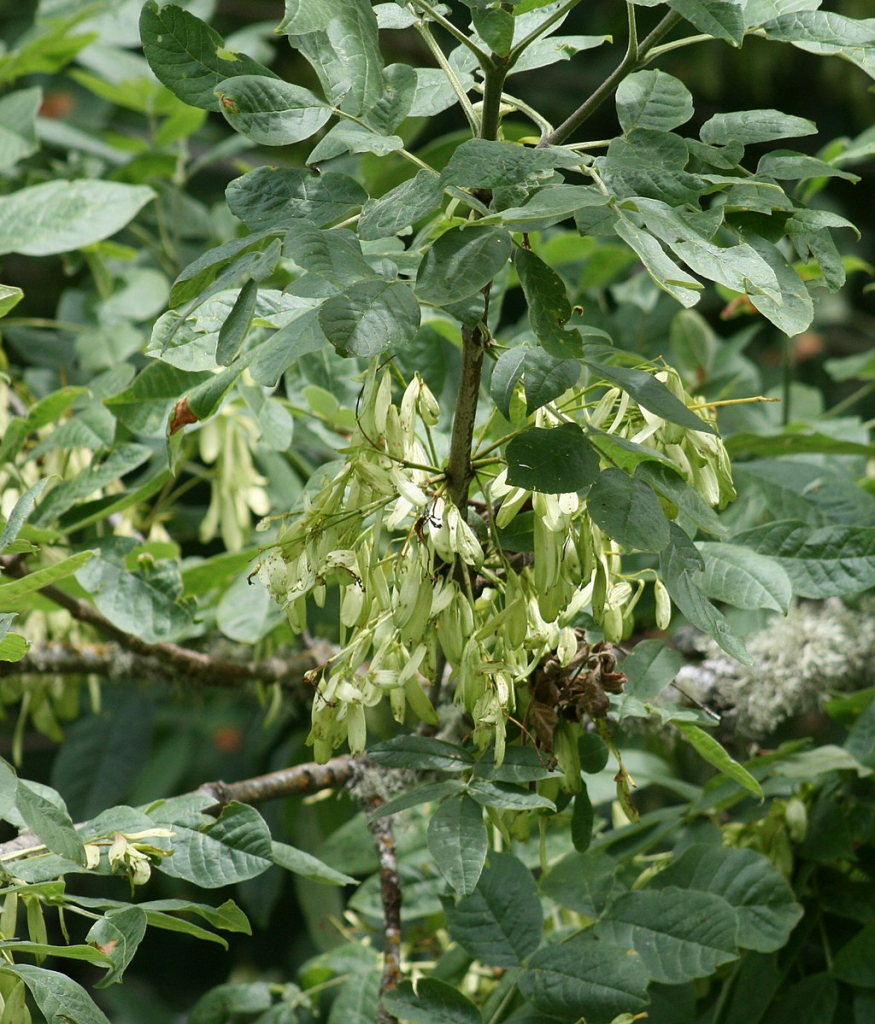
The Oregon Ash grows in the sun or part shade is most often found next to streams or seasonal wetlands. Oregon Ash trees are deciduous trees that lose their leaves in the fall. The leaves grow off the branch directly opposite from each other. Learn more about how to identify the Oregon Ash tree. You can also download an app for your phone like “Picture This” which can use your phone’s camera to help you identify plants and trees.
3. Know the Signs and Report Suspected Infestations
Keep an eye out for symptoms of EAB in your neighborhood or favorite hiking spot:
- D-shaped exit holes on the bark
- Bark splitting or peeling
- Thinning canopy or dead branches at the top
- New shoots at the base of the tree on the trunk.
- Increased woodpecker activity
- S-shaped galleries under the bark if the bark falls off
Visit this site for more information and photos for how to spot suspected infestations.
If you spot these signs, report it to the Oregon Department of Forestry or Oregon Invasive Species Council. Your early detection can help scientists and foresters respond faster.
4. Support Monitoring and Research
Many local and national groups are working to monitor the spread of EAB, develop resistant tree strains, and introduce natural predators of the beetle. You can help by:
- Supporting forest health programs
- Participating in citizen science projects
- Sharing educational resources with your community
5. Plant Diverse Native Trees
Biodiversity is one of our best defenses. If you’re planting trees on your property or helping with a restoration project, choose a mix of native species. That way, even if one species is affected, others can carry on the work of supporting the local ecosystem. It it not recommended to plant any additional ash trees.
A Forest Worth Protecting
Oregon’s forests are places of beauty, biodiversity, and balance—and the Oregon Ash plays a quiet but crucial role in that harmony. The threat of Emerald Ash Borer is serious, but awareness and community action can slow its spread and buy time for long-term solutions.
By staying informed, vigilant, and proactive, we can help protect Oregon’s ash trees—and the wildlife, waters, and communities that rely on them. Below is a recent episode from the Oregon Field Guide where you can learn more about what is being done to slow the spread of the beetle and to help protect endangered ecosystems.
Resources
- Report a sighting: Oregon Invasive Species Hotline
- Oregon Department of Forestry: www.oregon.gov/ODF
- Don’t Move Firewood Campaign: www.dontmovefirewood.org
- EAB Identification Guide: Available as a free download through Oregon State University Extension